


John Jones / CC
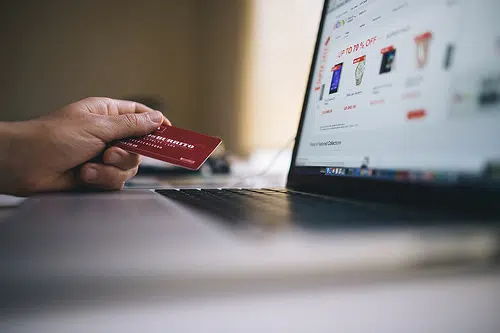
As we draw ever closer to Christmas, many people are abiding by the CDC and local health department guidelines, and are doing most of their shopping online.
While this is an efficient and physically safe way to get everyone checked off our list, Jim Temmer from the Better Business Bureau said it can be dangerous for your wallet. “For at least the last 3 years, fake merchandise has been one of the top scams across the country, and this year it has really grown off the charts,” Temmer explained.
“Online purchases, retailers tell us, are up 30% this year. Even anecdotally, I don’t know anyone that went out on Black Friday this year.” These scammers have gotten rather smart, and use photos and text from legitimate websites, and use it on their own, making it look legitimate. Temmer said there are some ways to help protect yourself. “One thing you want to look for, up in the address bar, they all start with HTTP. It should have an S. It should say HTTPS, with the S standing for secure, meaning it’s ok to put your information in there, and it won’t be taken by anybody else,” he explained. “Sometimes there’s a little padlock logo up there. That’s the first thing you should look for. If it doesn’t have that, don’t use that website.”
Temmer also advised not searching for “cheap” or “inexpensive” products on Google, because the links that show up will more than likely send you to a phony site. And as he has said in the past, “If it looks too good to be true, it probably is.”