



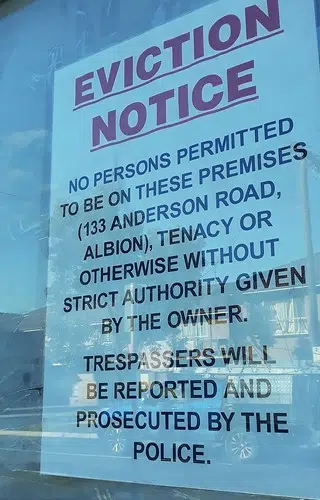
The Biden Administration may have extended the eviction moratorium through October 3, but that doesn’t mean scammers have postponed their tricks.
Con artists often take advantage of the confusion and stress surrounding major events, and with millions in the United States behind on their rent, the moratorium’s end is a perfect hook.
As the eviction moratorium winds down, watch out for scammers offering loans, peddling credit repair services, or promoting government programs.
These cons are a way to trick desperate people out of money they don’t have.
The Better Business Bureau issued the following tips to make sure you don’t get scammed.
- Double-check any government program before you sign up. If an organization is offering you a grant or relief funds, get to know them before you agree to anything. Take a close look at their website and read reviews. If you think you might be dealing with an impostor, find the official contact information and call the company to make sure the offer is legitimate.
- Be wary of out-of-the-blue calls, emails, or text messages claiming to be from the government. In general, the government will not contact you using these methods, unless you are granted permission.
- Do not pay any money for a “free” government grant or program. It is not really free if there is a fee involved. A real government agency will not ask for an advanced processing fee. Instead, find out if the grant is legitimate by checking grants.gov.
- Advance fees are a concern. Not all businesses promising to help you repair bad credit are scams, but if you are asked to pay in advance, that’s a big red flag. In both the U.S. and Canada, credit repair and debt relief companies can only collect their fee after they perform the services promised.
- Avoid guarantees and unusual payment methods. Real lenders never guarantee a loan in advance. They will check your credit score and other documents before providing an interest rate and/or loan amount and will not ask you to pay an upfront fee. Fees are never paid via gift cards, CashApp, or prepaid debit cards. Unusual payment methods and payments to an individual are a big tip-off.


