



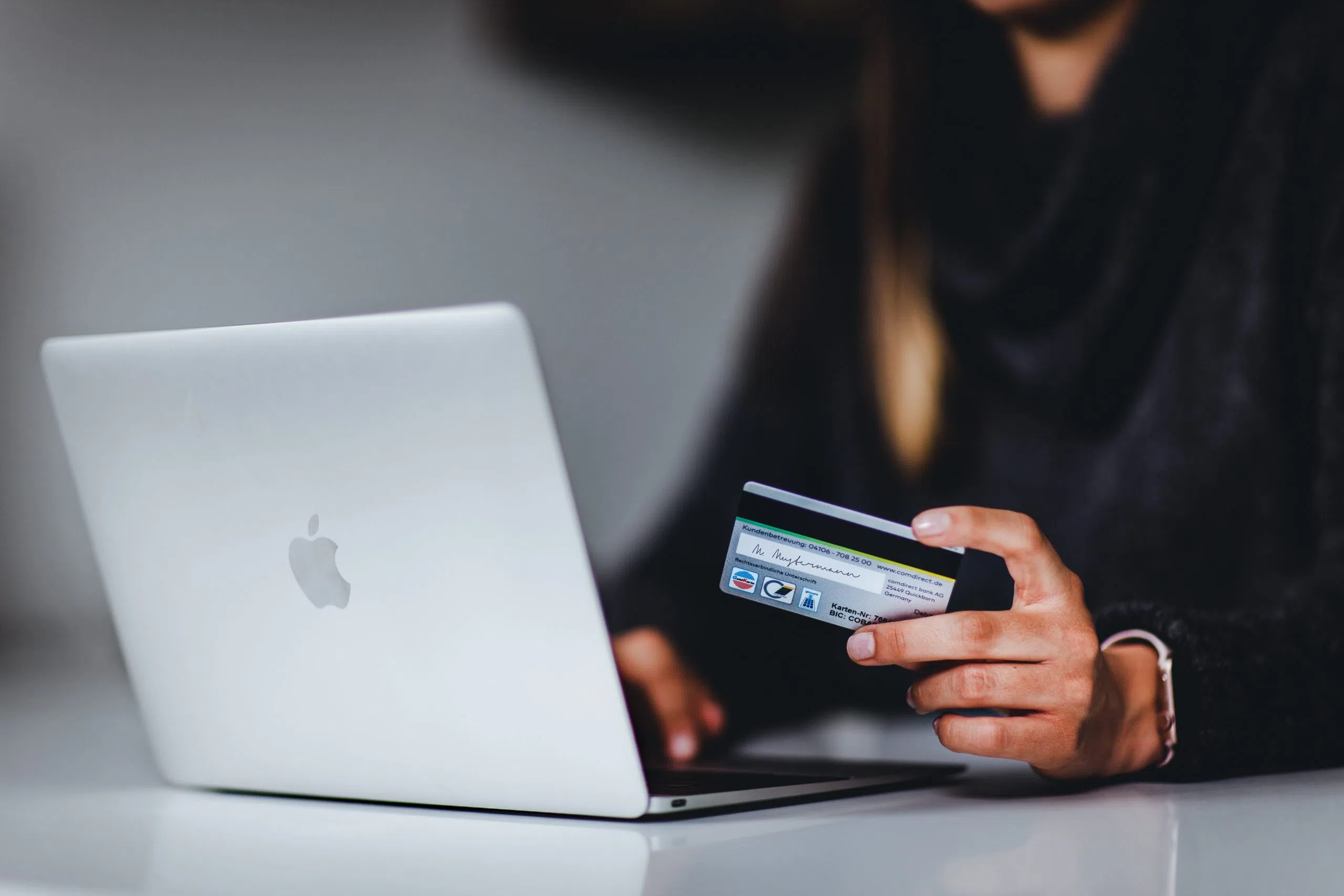
This year, Amazon isn’t the only retailer rolling out discounts for Prime Day (June 21-22, 2021). Walmart, Target, and Kohl’s, just to name a few, are running competing sales. But more deals mean more chances for scammers to capitalize on the buzz and trick shoppers. Be wary of phishing scams, misleading advertisements, and lookalike websites.
Scams to look out for:
Phishing scams that appear to come from a popular retailer. Phishing scams increase during busy shopping times, such as Prime Day or Black Friday. When you are making a lot of purchases, it’s easy to lose track of exactly what you bought and where you shopped. That makes you more likely to fall for a phishing scam posing as a big-name store.
Look out for unsolicited emails, texts, or phone calls. These messages may claim you have a free gift waiting for you or that there is a problem with a delivery – all you need to do is click on a link or give up your personal information. One recent phishing con claims to be Amazon calling to fix an issue with your account. This is a ruse meant to get your credit card information, account login details, or remote access to your computer.
Beware of false advertising and phony websites. When searching online or browsing social media, watch out for ads that point to scam websites. Con artists often create lookalike websites that, at first glance, appear to belong to a trusted retailer. But when you look more closely at the URL, you’ll notice that the domain name is slightly different (i.e., Instead of Popularstore.com, the URL might be PopvlarStore.com or PopularStoreOnline.com).
Always make sure websites use the correct spelling of a business name and have legitimate contact information and customer service numbers. Also, use common sense when evaluating deals. If a company claims to be selling the hottest item of the year at a super low price, it’s probably a con.
Tips to avoid online shopping scams this Prime Day: