



The following article was written by Kennedy Zittel, a Naturalist at the Woodland Dunes Nature Center.
Woodland Dunes has been collecting phenology data for decades, carefully tracking when certain things occur on our Preserve. Phenology is the study of when things happen, particularly related to plants and animals. For example, when do birds migrate, when do flowers bloom, when do leaves change color, etc.
Fall is a busy time in the phenology world, as nature prepares for the upcoming cold of winter.
September: At Woodland Dunes, flowers like fringed gentian and asters bloom early in the month. A walk along Willow Trail can showcase both of those species, along with other flowers like bottle gentian and great blue lobelia still in bloom from August. Monarch butterflies and Ruby-throated Hummingbirds are documented for the last time of the year around the middle of the month, as both species head South for the winter. Though it may seem like many animals are leaving, some are just arriving in the fall. September brings the return of the Dark-eyed Junco to the Preserve, after spending their summer breeding season in the boreal and coniferous forests of Canada and Alaska.
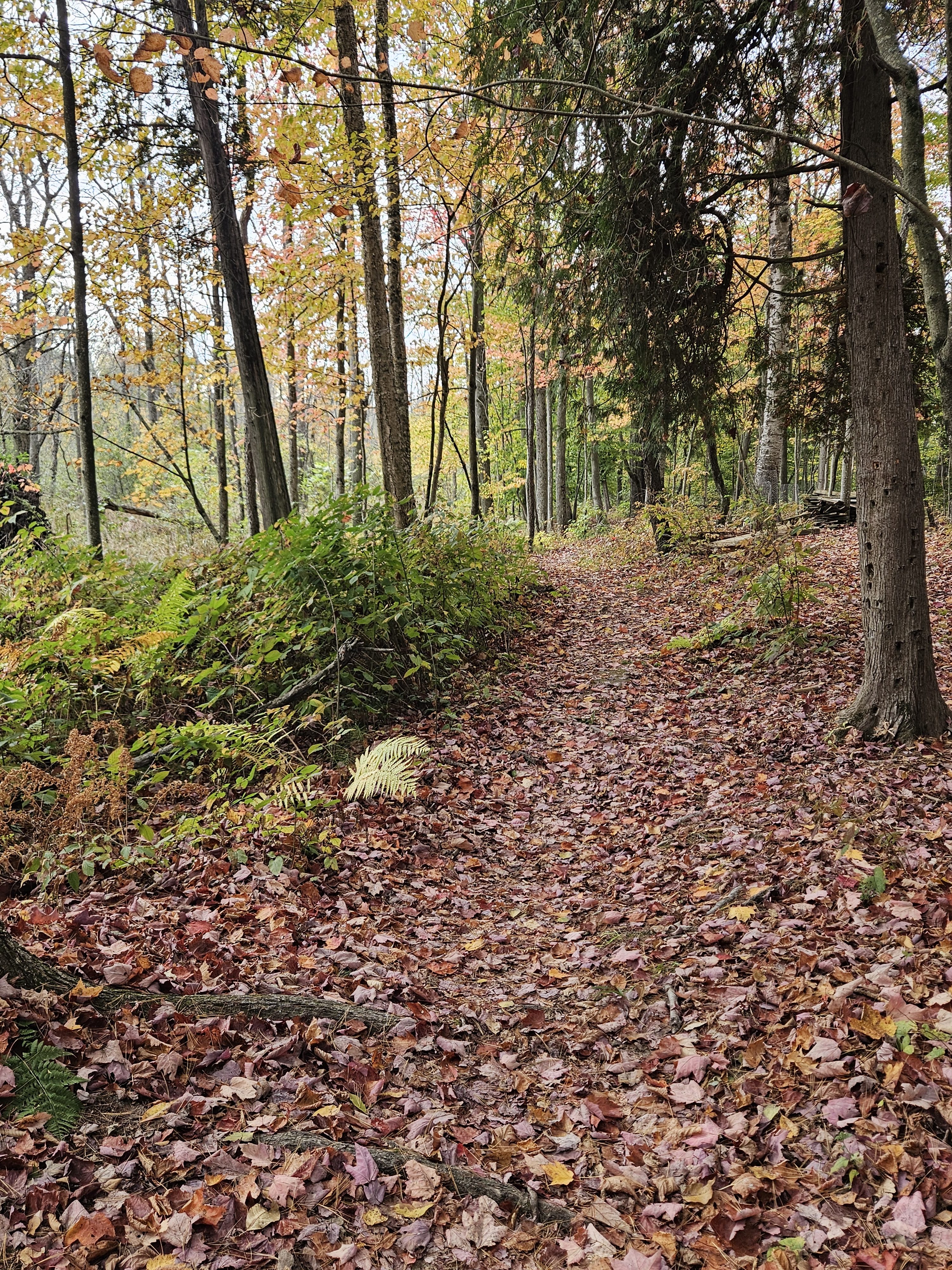
October: As the temperature cools, we notice phenology activity begin to slow down, however, October still brings exciting phenology trends to enjoy against a beautiful backdrop of color. Our peak fall color change occurs around October 15th on the Preserve, though this can vary with weather/rainfall. All trails feature beautiful colors, but one of the best spots to view the changing of colors is along the Dunes Segment of the Ice Age Trail. If you enter from the end of 10th street, walk into the forest where it soon opens into a small meadow/prairie. Here you can see the changing of tree colors all around you. Towards the end of the month we see our beloved thirteen-lined ground squirrels for the last time of the year. They are one of the only true hibernators of our area, spending around 6 months without food or water sealed away in their underground burrow. Their heart rate slows from 200-400 beats per minute to a mere 3-10 during this time.
November: In the very beginning of the month, watch for Tundra Swans flying in large flocks over the Preserve. They are medium-distance migrants, traveling from their summer breeding grounds around Alaska, migrating across Wisconsin around the first of November as they travel East (not all birds migrate South). Though it seems like a lot of birds have left by this month, some are still arriving. American Tree Sparrows return early in the month, spending winter here with us after migrating around 1,500 – 3,000 miles from their summer breeding grounds of the subarctic tundra of Alaska and Northern Canada.
If you are interested in learning more about what the plants and animals are doing here at Woodland Dunes each month, check out our new 2027 Woodland Dunes Phenology Calendar available in the gift shop! For just $25, you can support the Dunes while learning about what is happening each week across the Preserve and view beautiful images submitted by local photographers too. If you would like to help us collect phenology data to use in future publications, write your nature sightings on our Phenology Board located in the main lobby after your next visit. Regardless of the season, there are always exciting things to see outside.


