



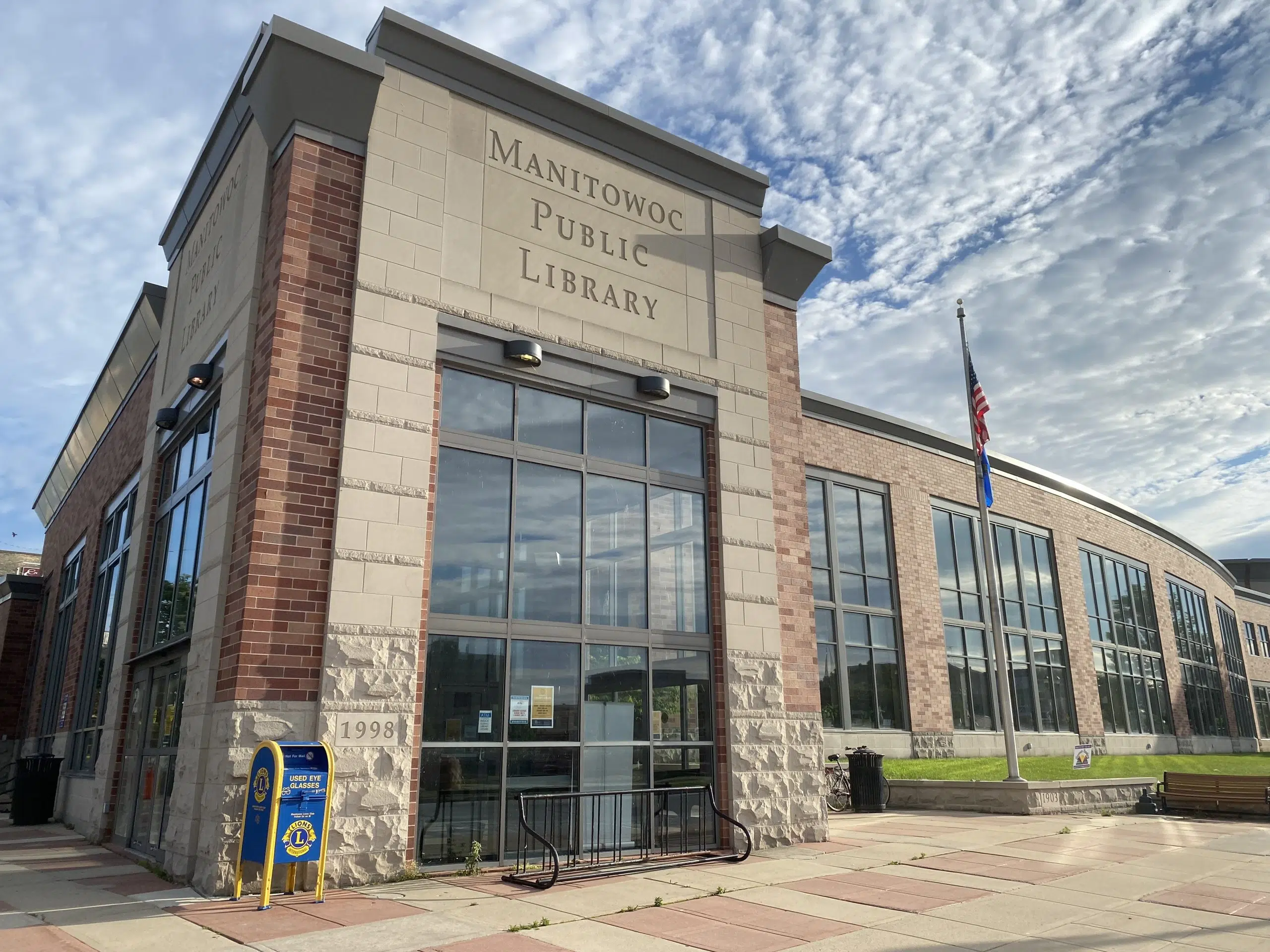
The following article was written by Kristin Keck, a Teen Associate at the Manitowoc Public Library.
Everyone, cool your jets—“gutter” is a technical term here. The gutter is the space between panels in graphic novels and manga, usually (though not always) white, and it’s more important than people realize.
There are people who don’t really “get” graphic novels or manga. As a comic book and manga lover myself, I completely understand that. Reading this form of media is learning a new language, like learning to read music, understanding ballet, or putting together Ikea furniture. There’s a whole new visual vocabulary, especially with manga. It can feel like a wall around the story rather than a window into it.
However, like any language, with a little time and patience—and sometimes a guidebook—it can be learned. Let’s learn some vocabulary and then talk about some new manga and graphic novels that have come to our shelves here at Manitowoc Public Library.
Is everyone seated comfortably? Then let’s begin.

Kristin Keck
In fact, let’s begin with something we’re all familiar with—the ABCs of our new vocabulary—what my grandfather called “The Funnies.” Those black and white four-panel strips found in newspapers, with the fancy three-color ones on Sundays, were most people’s first introduction to the blend of words and pictures that make up the comics art.
From Garfield and Peanuts and even the non-funny ones like Dick Tracy and Mary Worth, we learned how comics worked. We learned that speech bubbles, with lines to a character’s mouth, were spoken, while the thought bubbles floating above their heads like clouds were silent. We learned that sometimes actions make noises that you can see and we trained our eyes to hear “BOING!” and “WHAP!” and “CRASH!” And we learned about panels.
Panels are the squares on the page where Batman and Spiderman do their stunts and Lucy yanks that football away (Oh, Charles. When will you ever learn?). Panels are more than that, though. Panels are moments in time. Graphic novels move time like a movie, from picture to picture, and each panel represents one tableau of action. Time moves between the pictures, in those gutters that I mentioned earlier. A large gutter around a panel isolates a character in limbo. Small panels packed together make visible the chaos of a fight. Overlapping panels pile moments on top of each other, one panel on a page stretches to infinity. Time passes between them in the gutters, and that’s where the reader really interacts with the medium.
 In the white space between the pictures, in the reader’s mind, that’s where the action happens, where the punch lands or the silence between people becomes unbearable. Who knew blank paper could be so important?
If you feel ready to take a chance on a graphic novel, we’ve probably got one on the shelves that you’ll like. Here are a few examples of new graphic novels for all ages at MPL, from elementary age to adult:
- Nichijou, My Ordinary Life is a charming take on high school life in Japan with a few surprises (like robots) thrown in
- Stepping Up is a fish-out-of-water autobiography about going to college when who you are doesn’t quite fit into the class
- Strange Pictures is a Japanese horror story where overlapping plots knit together in chilling complexity
- The Princess Diaries brings a beloved book series (and movies!) to life on the page
- And The Odyssey—well, it’s The Odyssey. With pictures.
Take a chance on a new reading experience in the Graphic Novel and Manga shelves at Manitowoc Public Library. There’s always something new to discover.


