



converted PNM file
The following article was written by Jessica Johnsrud, the Education Coordinator at the Woodland Dunes Nature Center.
I think one of the most spectacular gifts of winter is a clear night sky. In January and into the first half of February, we have the opportunity to observe a “planet parade.” A planet parade is when four or more planets appear to be aligned in the night sky. They aren’t actually in a line, but follow a single line called the ecliptic. This gives the appearance that they all pass through the same area of the sky along with the sun.
The current parade lineup consists of four bright planets: Mars, Jupiter, Venus and Saturn. The best part is this can be observed without a telescope and early in the evening, just after dark. No need to set an alarm for the middle of the night! This amazing spectacle has inspired me to learn a little more about each of the planets in the parade.
Starting in the northeast part of the sky, the first planet you will notice is Mars. This planet has a reddish-brown appearance because of the iron oxide in its soil. Don’t let the red color fool you into thinking it has a warm climate. This planet is a cold desert world. Mars is also home to Mt Olympus, the largest volcano in the solar system measuring 16 miles high and 125 miles across.
Next you will see Jupiter, appearing almost overhead. Jupiter is the largest planet in our solar system and is home to the Great Red Spot. This large red spot can be viewed through a telescope and is the result of a giant storm that has been going strong for centuries. The storm reaches windspeeds up to 270 miles per hour and is twice as wide as Earth!
In the southwest part of the sky, you will find the second planet from the sun – Venus. This planet is named after the Roman goddess of love and beauty perhaps because it’s the brightest and hottest in the night sky. Venus has over 1,600 volcanos, which is the most of any planet in our solar system.
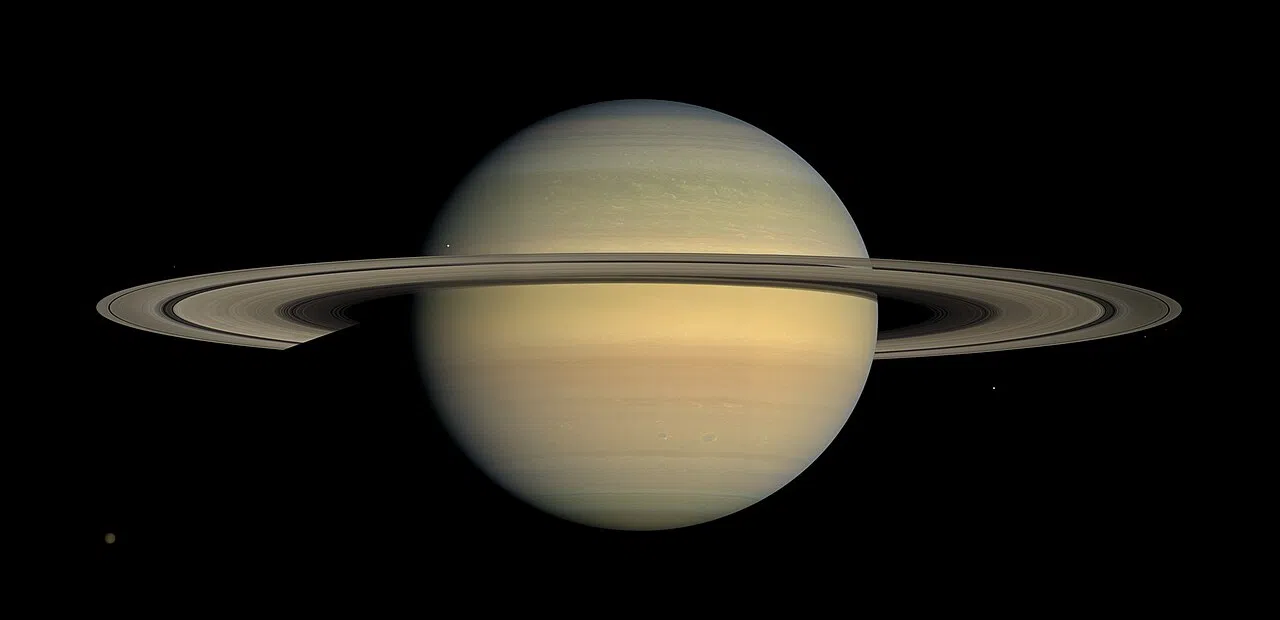
Finally, just above the tree line you can observe Saturn. This planet has seven main rings made of ice and dust particles and also has 146 known moons (and likely more). Saturn is a big gas giant, made of hydrogen and helium. This makes it less dense than water, meaning it would float if there were a body of water big enough for it to fit in.
Hopefully this sneak peek of the planet parade inspires you to go outside and take a look at this winter gift. Bundle up and step outside just after dark. I live in town and have been able to see all four of these planets with just my eyes. You have until the mid-February, but if you miss it, don’t fret – there will be another planet parade this August.