



Yesterday we heard from Abdull, one of the over 100 Afghan refugees settling in the greater Green Bay area.
These men women and children are all being assisted by Catholic Charities of Green Bay, who have been helping resettle people in the area since the Hmong people came to the U.S. following the Vietnam War.
Today, we hear from Ali, who also flew out of Kabul in the waning days of our occupation.
Ali also has family still in Afghanistan, so he asked that his face not be shown.
We asked Ali what it was like leaving his home country, and he said that is a tough question to answer.
“You have to decide to leave your family, friends, and your job or whatever you have in order to survive,” he explained. “It was a tough decision I had to make at that time.”
Ali was a Flight Safety Officer at the Kabul airport, so he had a unique experience in the exfiltration process.
He recalled the day that the Taliban took over Kabul.
“That night, when that happened, all the gates closed. No one could enter or exit the airport,” he said. “As everybody knows, the Taliban said everyone who worked with the U.S. government, or any other foreign country, if they find out or see them, they will punish them or even kill them.”
Ali explained that the only help he and his fellow Afghans had was from NATO personnel inside the airport.
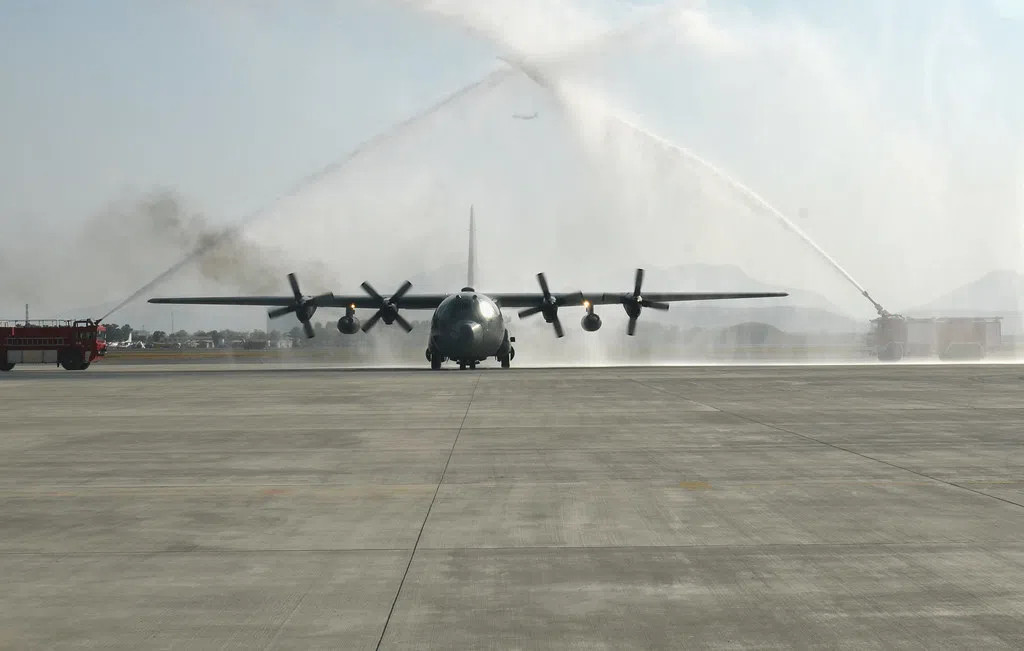
When they finally flew out on a C-130, they landed in Qatar, and had no idea where they were going from there.
After a one-month layover in Qatar, they flew out to Germany, stayed there for a few hours for refueling, and finally made their way to the United States.
Ali said that the biggest difference he has experienced between his two homes has been the hospitality.
“Everybody treats each other friendly,” Ali noted. “In Afghanistan, the Taliban didn’t treat people well, mostly with the women.”
Ali, much like many of his fellow refugees, still has family back in Afghanistan, whom he is working toward getting here.
The main thing standing in his way is acquiring a United States Green Card.
He explained that the process to get him that card will begin next month.
Tomorrow we will hear from a man who has been helping Catholic Charities acclimate the refugees to the area, an interpreter named Sayed.