



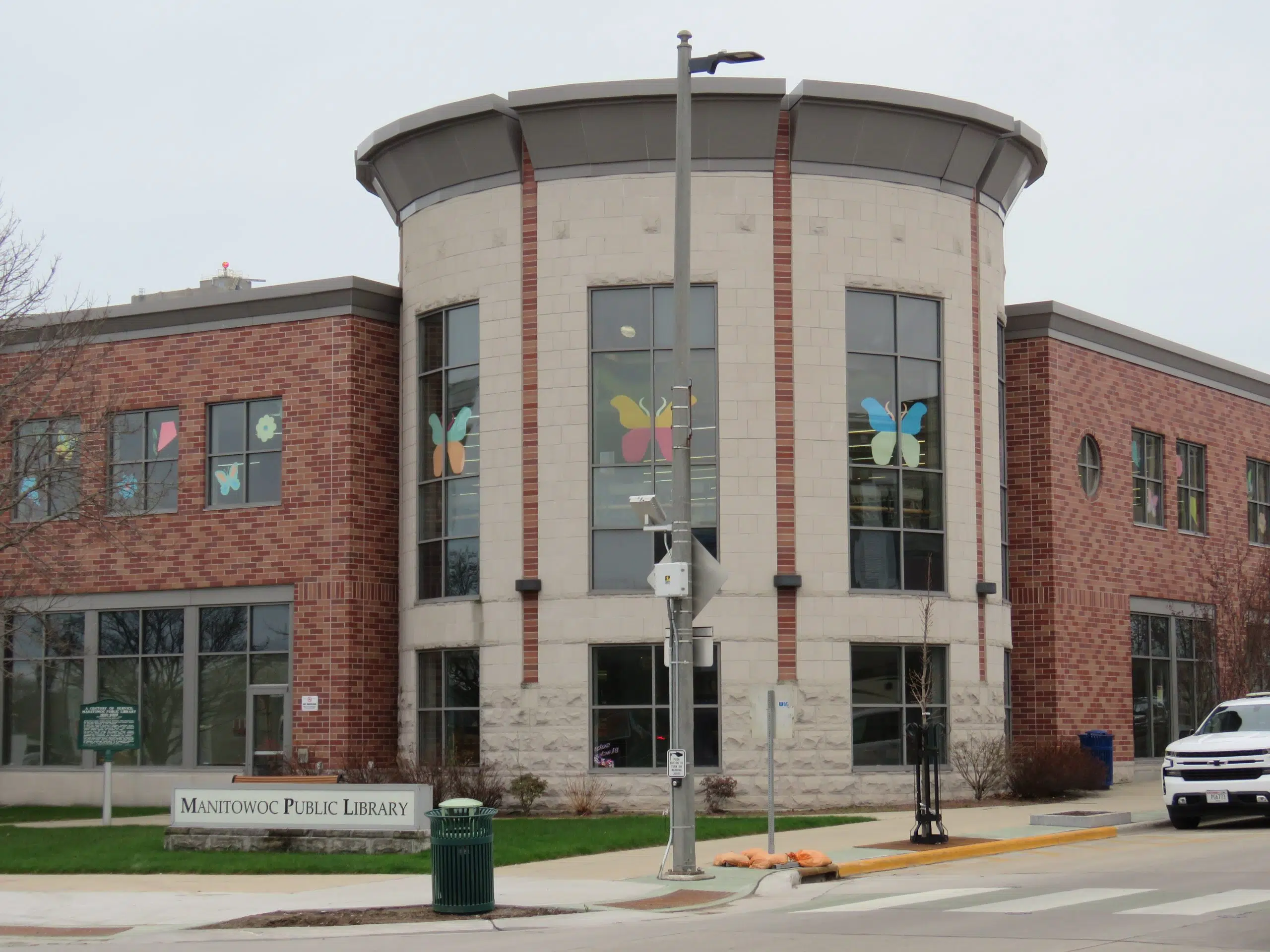
The following article was submitted by Lisa Pike, the Materials Management Librarian at the Manitowoc Public Library.
What, you may ask, do the Lakeshore’s shifting sands and libraries have in common? Quite a bit, actually. Similar to the shifting sands of Lake Michigan that add and subtract grains from the shoreline, libraries also add and subtract shelves while shifting or redistributing our abundant materials.
So, why do libraries shift their collections? It’s one method that we use to curate our collection for size and up-to-date content. Our ultimate goal being “brows-ability” so that our shelves aren’t overstuffed. When we shift materials we often remove duplicate titles that are no longer needed to meet demand. We often also look at titles for age, usage, and if content is still up-to-date and not superseded, which is often the case with technology and medical materials. If we find certain materials to be older and seldom used or to contain incorrect or irrelevant information, then we deselect them to allow for the addition of newer titles.

Lisa Pike
When adding new titles to the collections, there often is the need to do a small shift to make necessary room on our limited shelf space. In this case, items may move from shelf to shelf or aisle to aisle, but not much more. Other times we add or subtract entire shelving units to accommodate growth or shrinkage in specific collection areas. This takes a lot of planning and consideration of number of shelves, materials on shelf, materials checked out, and what kind of growth we may see. Thankfully, we don’t have to do this type of shift very often.
We recently completed some major shifting in both our downstairs and upstairs collections. One of the bigger shifts that we completed downstairs was adding extra shelving units to the Adult Fiction section so that it now extends past the public computer area. We added extra shelving units to create more space because the books were getting too tight on individual shelves making it hard to move them. The extra shelves have also allowed for us to not have to use the very top and bottom shelves of each shelving unit which can be inaccessible for some patrons.
At the same time, we also added extra shelving units in our Adult Large Print and Adult Book on CD collections. We did this to accommodate growth in these collections since they are in high demand in our community. We relocated some of these extra shelves from the big shift that we completed upstairs in the Youth Department. We were able to shift the Youth Nonfiction collection backwards to create a more open space in front of the shelving units. This space has been setup with more seating to provide opportunities for playing board games, the Wii gaming system, or working on crafts.
Another section of the downstairs that is growing quickly is our Graphic Novel and Manga collection. In recent years, the graphic novel publishing industry has exploded to include a far range of topics from typical superhero comic fare to biographies and nonfiction. Manga has also coincided with this boom, gaining in popularity through its frequent connection with popular anime TV series and movies.
Seeing the need to address this growing trend we shifted our Graphic Novel and Manga collection to one entire shelving unit at the end of Adult Nonfiction. This shift allows us to use one entire side for manga which will help manage the large series that are often common. With this setup we are also able to devote the other side to general graphic novels such as Marvel and DC comics, syndicated newspaper comics, and other sci-fi and fantasy series. This shift also allowed us to add a shelving unit to the Young Adult Fiction collection, which creates a situation where the collection can grow without the shelves constantly overflowing.
The library’s collection is always in flux and our goal is to stay ahead of the curve as much as possible in terms of shelf-space issues. The ultimate aim of all these shifts—no matter how big or small—is to create better accessibility for our patrons and provide more space for in-demand collections to be able to grow and meet patron needs.
So, next time you see staff working on a materials shift, remember it probably means we just added some great new titles for you to check out!